Home > SeqMatic Forum: Leading Use Cases For MedTech Histopathology

SeqMatic Forum: Leading Use Cases For MedTech Histopathology

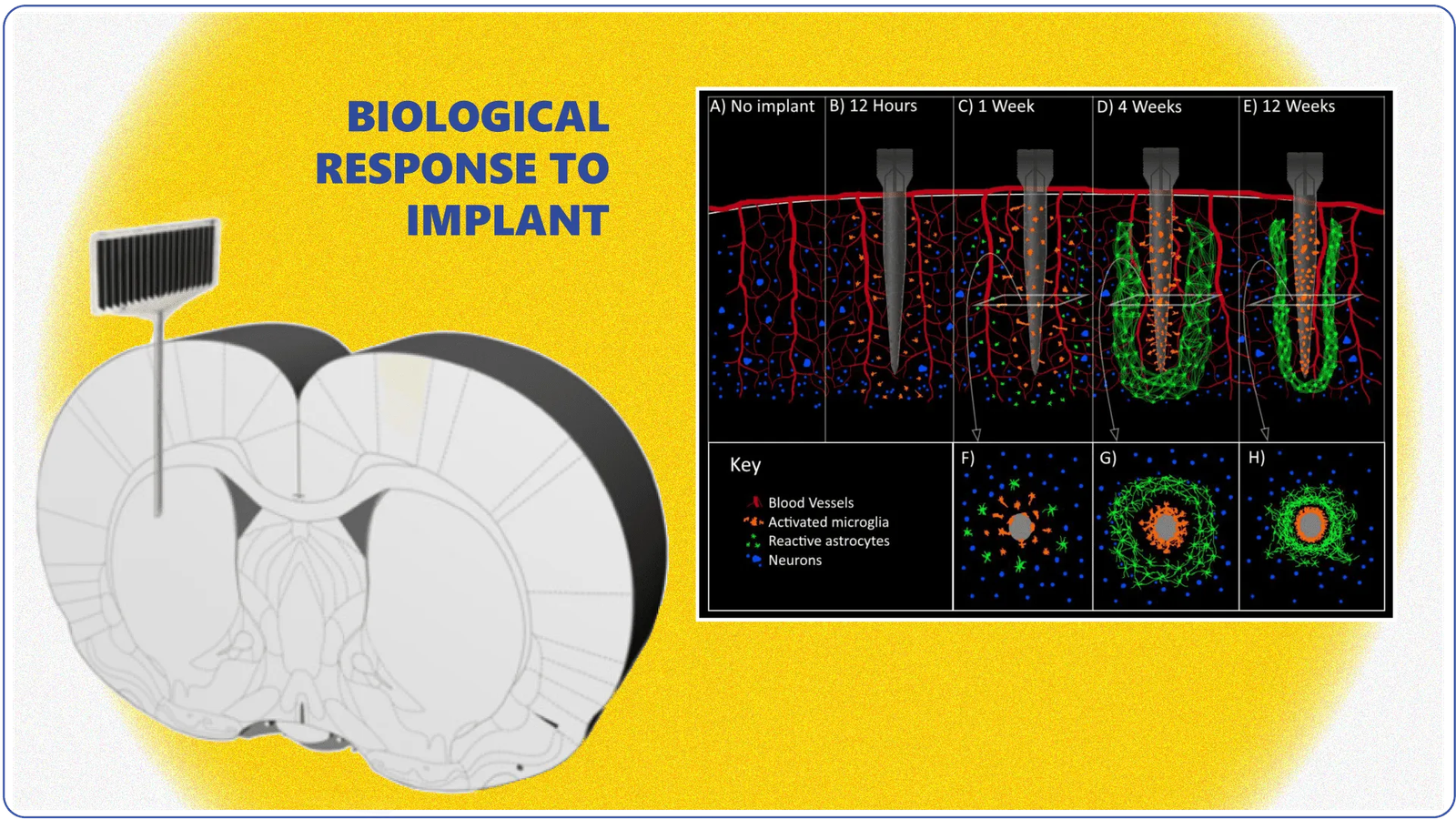
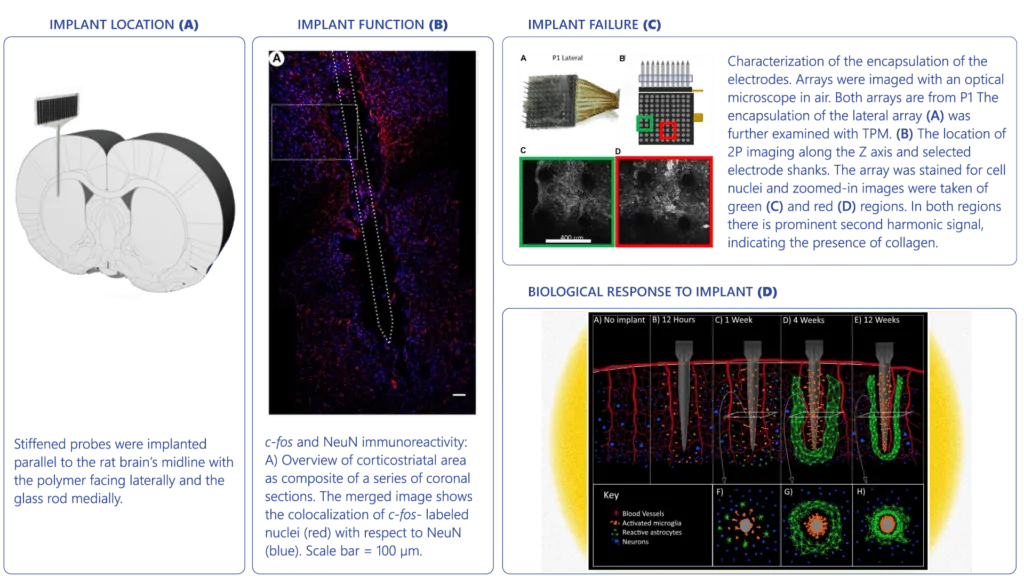
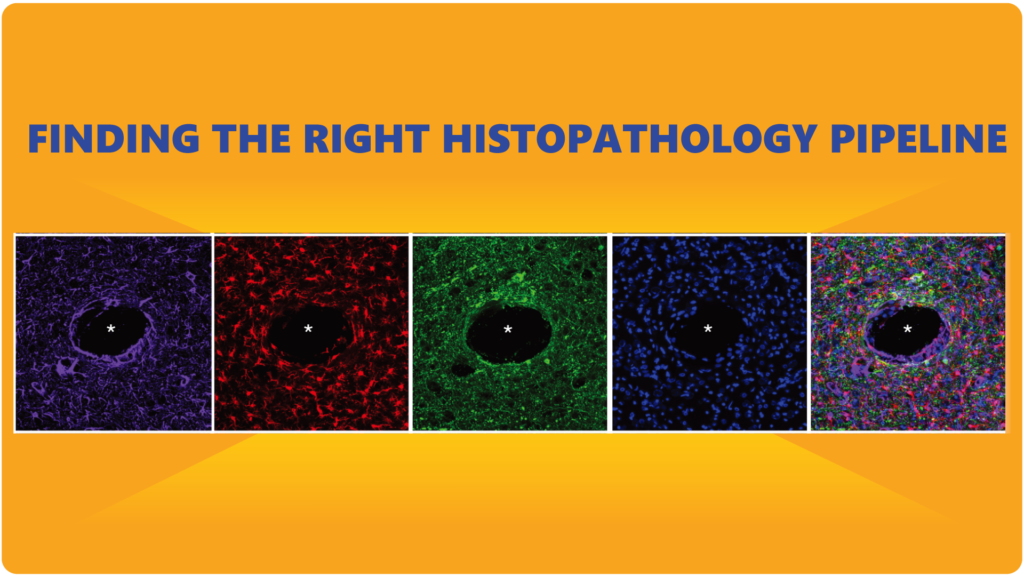
As an innovations journey from conception towards FDA approval, the intricate dance between innovation, safety, and the promise of enhancing human health becomes evident. Histopathological evaluations illuminate the complex interactions between medical devices and the human body, focusing on crucial aspects such as implant location, device function, potential failures, and the biological response to the device. This rigorous analysis ensures the device’s placement within targeted tissues, checks for any unwanted migration, and measures how well the device operates within the biological milieu. Furthermore, it reveals issues such as impedance rise due to fibrotic encapsulation, mechanical damage, or material degradation due to oxidative stress. Such detailed examinations provide invaluable feedback, guiding researchers and developers in refining device designs to enhance safety, functionality, and patient outcomes. One common medical implant that requires all four leading use cases for conducting histopathology are brain computer interfacing implants (Figure 1).

Figure 1: Brain computer interfacing implants, such as the Utah Array, can typically require histopathological assessment of all leading use cases. This includes assessing the brain region that the device was implanted into (a)1, assessing whether neurons were activated post-stimulation of the device using a c-Fos immunohistochemical stain (b)1, assessing electrode impedance may be due accumulation of fibrosis (c)2, and most importantly assessing what biological response is toward this foreign body material (d)3.


Citations:


DISCLAIMER: Images featured in this post include assets that have been adapted for the post. Original images are credited to their corresponding cited references. Refer to citation links for publication and author’s scientific context.


Related Posts